

If we have selected the wrong experience for you, please change it above.

Family business technology transformation in Malta
Globally, 51% of family businesses rate inadequate technology adoption as a moderate to high risk. For Malta's economy, dominated by family businesses, this risk is even more acute. Without clear practical plans for wholistic digital transformation, the next generation might inherit businesses that cannot compete.
Family businesses form the backbone of Malta’s economy, representing approximately 75% of all enterprises across the islands. These organisations have built their success on strong family identity, values, personal relationships, and deep market knowledge passed down through generations. These businesses are facing the convergence of generational transition, rapid technological change, and evolving market expectations. These forces are pushing family business leaders to make difficult choices about how to modernise without losing the essence of what makes their enterprises distinctive.
A global survey of 1,587 family business executives, each leading significant family enterprises, reveals that while family businesses recognise the imperative of digital transformation, many remain uncertain about how to navigate this journey. For Malta’s family business community, this challenge is particularly acute. The island’s concentrated family business ecosystem, combined with its smaller scale, constrained talent pool, creates both distinctive advantages and specific vulnerabilities that require localised approaches to aligning technology adoption and business aspirations.
The hard choices that family businesses make today will shape not only competitiveness but also the kind of companies that future generations inherit.
Malta context
Malta presents a unique landscape for family business modernisation. With 99.8% of enterprises classified as SMEs and 93.6% as micro-enterprises, the island’s business ecosystem is characterised by extreme agility but also resource constraints. Digital infrastructure is strong, 100% very high-capacity network coverage and strong 5G coverage, yet only a small fraction of Maltese enterprises have adopted organisation-wide AI tools, indicating significant untapped potential compared to the higher adoption in other markets.
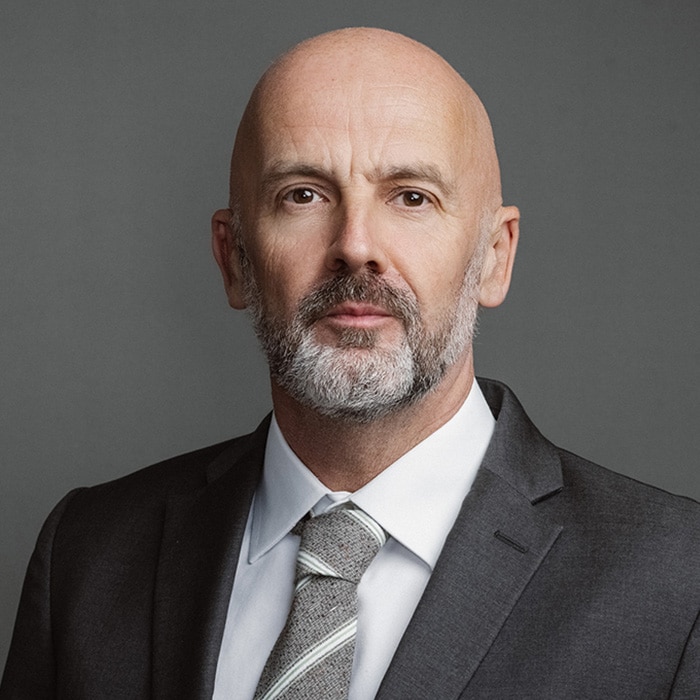
While 86% of family businesses globally are adopting AI, Malta's market wide adoption rate remains fragmented and sporadic, driven by individuals. Family businesses that move now and take a structured, company-wide approach to AI adoption will leapfrog competitors and position themselves for growth.
Damian Heath - Director, Enterprise Technology & Performance, Deloitte Malta
However, Malta’s small population creates a distinctive talent challenge. The shortage of technology and AI specialists means that attracting external digital expertise often requires competitive compensation packages that may strain smaller enterprises.
Key insights from global research



